Log Selection for Timber Structures: Quality Criteria and Supply Process
The lifespan and durability of timber structures are directly linked to the quality of the logs used. This comprehensive guide details the technical criteria for log selection—such as moisture content, density, and knot characteristics—and how to manage a sustainable supply process for structural timber.
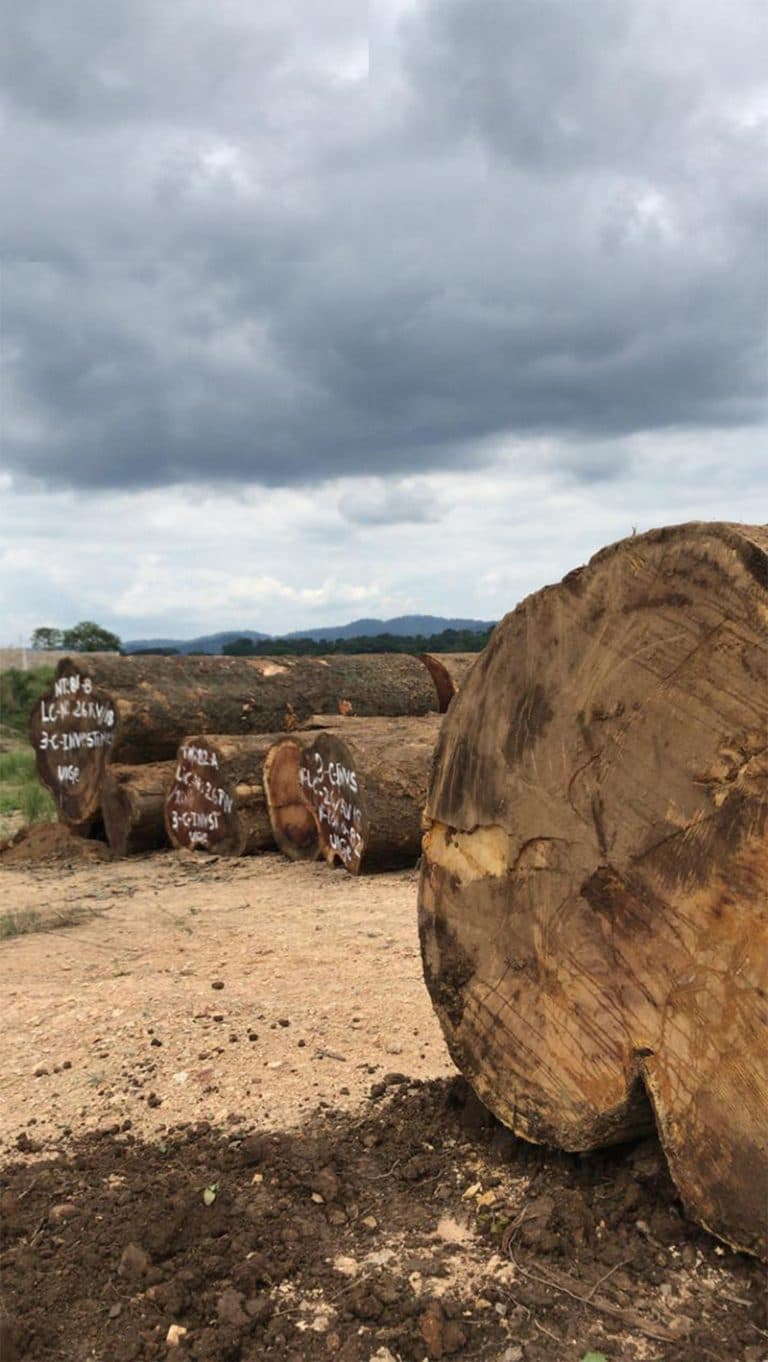
Wood has been one of humanity's most fundamental building materials for millennia. Today, it is favored in residential, public, and tourism structures due to its sustainability, aesthetics, and excellent structural properties. However, the longevity, safety, and durability of a timber structure depend on the correct selection of the logs that form its foundation. The use of incorrect or low-quality logs can lead to premature decay, insect infestation, cracks, and even structural issues. This article will step-by-step explain the quality criteria to consider when selecting logs for a professional timber structure and how to plan an effective supply process.
Key Criteria Determining Log Quality
- Wood Species and Density: Selecting the appropriate wood species based on the project's climatic conditions and expected loads is essential. Softwoods like spruce and pine are generally more economical and workable, while hardwoods like oak, chestnut, and teak offer higher durability and natural oil content. Density is directly related to the wood's strength and weight.
- Moisture Content: This is one of the most critical parameters for timber structures. Values below the "fiber saturation point" (approximately 30% moisture), where water in the cell walls has evaporated but cell cavities are still full, are suitable for structural use. The ideal structural moisture content is typically between 12-18%. Using improperly dried logs causes shape distortions (warping, bending) and cracks during the drying process.
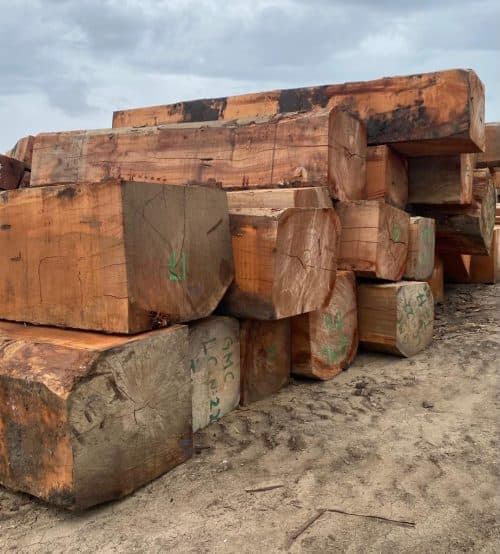
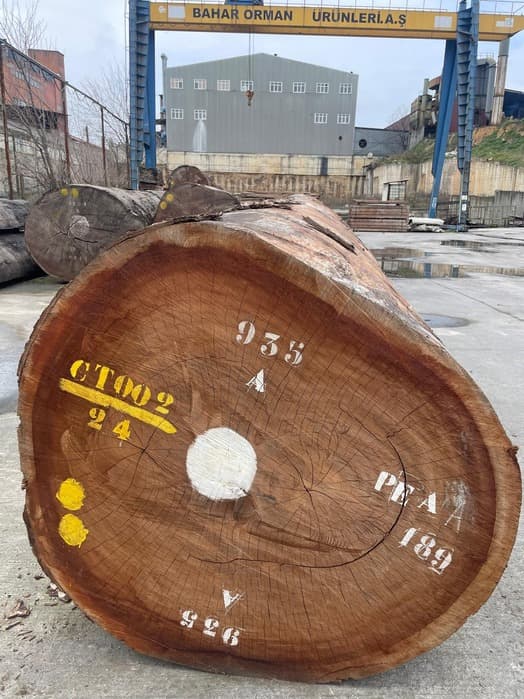
- Knots and Natural Defects: Knots are branch-derived features of the tree. Large, frequent, dead, or loose knots significantly reduce the mechanical strength of the log and create weak points. In structural elements, especially in areas subject to high tensile and bending stresses, the number and size of knots should be limited. Other natural defects such as cracks, resin pockets, rot, and insect damage must also be carefully inspected.
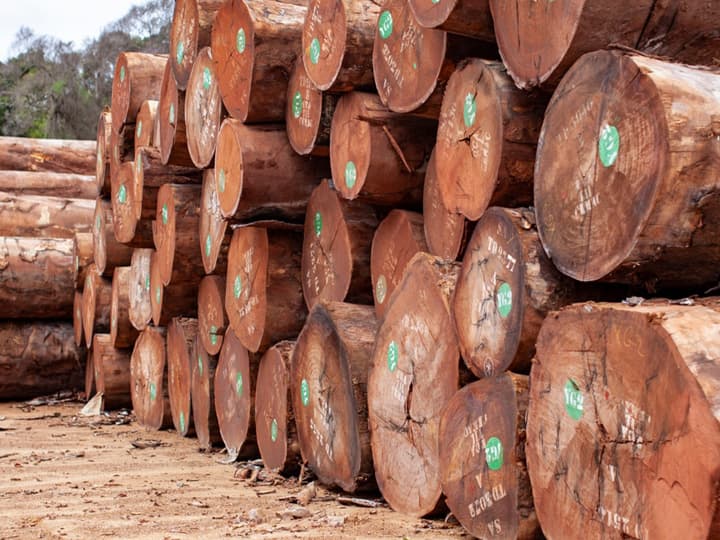
- Straightness and Geometry: The log should be straight (not curved) and have homogeneous cross-sectional dimensions, which is important for ease of craftsmanship and structural integrity. Smoothness, particularly on joining surfaces, ensures water and air tightness.
- Processing Quality and Surface Condition: The log should be properly debarked, surface roughness should be removed, and protective impregnation treatments should be applied correctly. Poorly processed surfaces invite moisture accumulation and fungal diseases.
Sustainable and Reliable Supply Process
The pathway to obtaining quality logs is as important as the selection itself. A well-managed supply process keeps project costs and risks under control.
- Planning and Needs Analysis: By reviewing the project's static plans and architectural details, the required log dimensions (diameter, length), quantity, wood species, and technical specifications should be clearly defined.
- Supplier Selection and Certification: Reliable suppliers should provide transparent information about the logs' origin, felling time, drying method, and transportation conditions. Certifications such as FSC (Forest Stewardship Council) or PEFC guarantee that the timber is sourced sustainably and legally. This is crucial for both environmental responsibility and long-term resource security.
- Sample Inspection and Quality Control: Sample logs must be requested before large orders, and a detailed inspection should be conducted based on the quality criteria mentioned above. Quality checks should be repeated at different stages of the supply process (pre-shipment, upon delivery).
- Logistics and Storage: During transportation, logs must be protected from moisture, sun, and physical damage. On-site or in storage, they should be stacked off the ground, in a covered area with good air circulation, and put into use as soon as possible.
- Technical Consultation: An experienced log supplier or timber engineer provides technical consultation at every stage of the project, contributing to optimal material selection and trouble-free application.
Conclusion
Timber structures can stand for generations with the right materials and craftsmanship. Log selection is not merely a material procurement but an investment in the structure's future. Neglecting quality criteria can exponentially increase future repair and maintenance costs. Therefore, mastering the technical specifications and establishing a reliable, certified, and sustainable supply chain are essential for a successful timber project. At Bahar Timber, we provide project-specific technical consultation and supply solutions with internationally standardized, certified logs.