** Sipo Timber: The Superior Alternative to Mahogany in Furniture and Veneer ### **
** Sipo timber, a valuable wood species originating from tropical Africa, stands out for its durability and aesthetics. It is widely used as an alternative to mahogany in furniture making, interior veneers, exterior cladding, and decking. Its high density and resistance to decay and insects ensure longevity. With its reddish-brown hues and distinctive grain pattern, it offers a luxurious and warm appearance. This article provides a detailed examination of Sipo's technical properties, processing, comparison with mahogany, and sustainable use. ### **
**
Wood selection forms the foundation of furniture and construction projects, both in terms of durability and aesthetics. Traditionally, mahogany has been the staple for luxury and quality work. However, increasing demand, price fluctuations, and sustainability concerns have guided architects and furniture makers towards alternative wood species with similar characteristics. This is where Sipo timber (Entandrophragma utile), one of Africa's valuable species, comes to the forefront. Although not from the mahogany family (Meliaceae), it is often referred to as "African mahogany" or "Sipo mahogany" and truly constitutes a strong alternative with its superior qualities.
Origin and Physical Properties of Sipo Timber
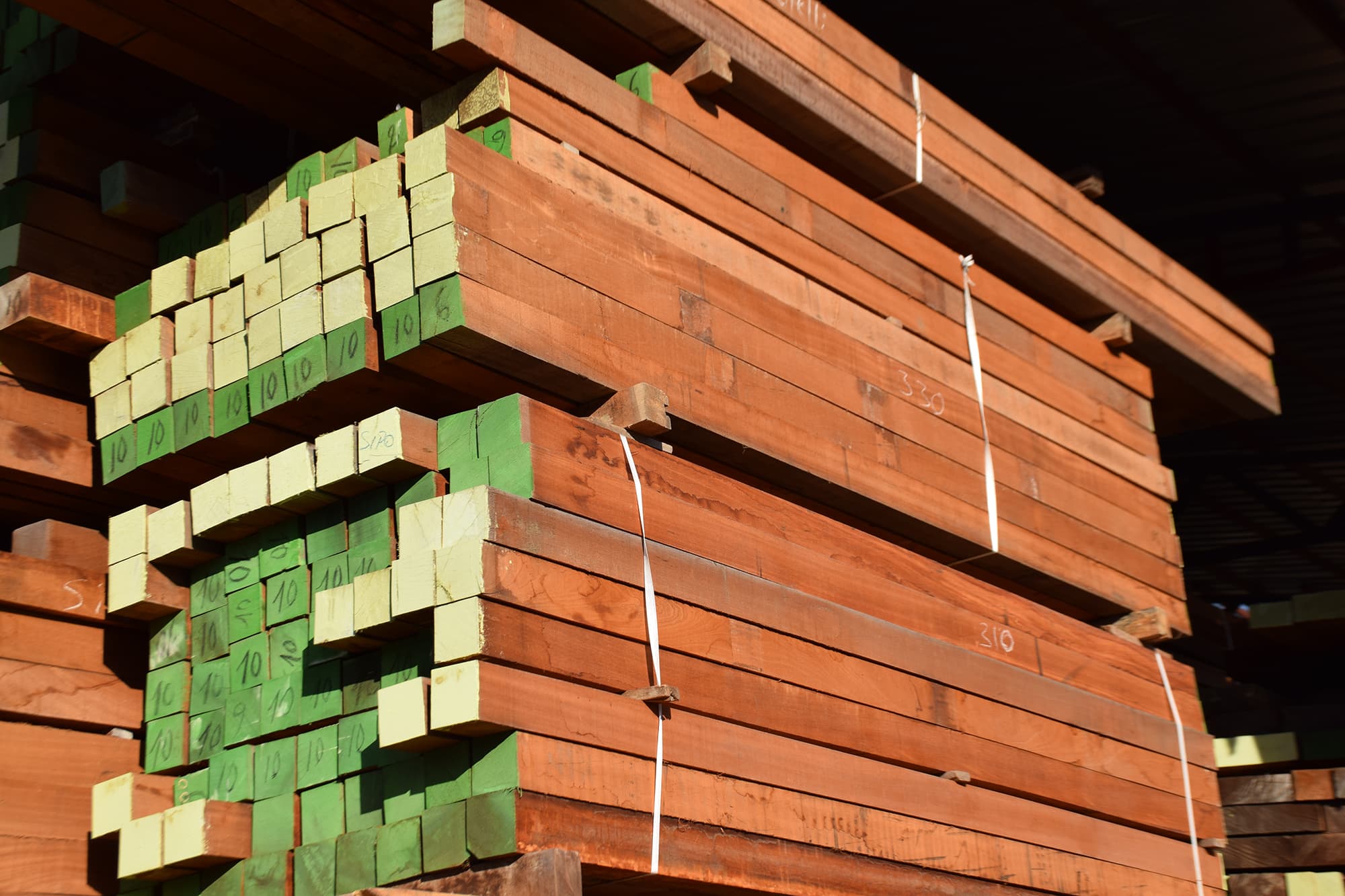
The Sipo tree grows in the tropical rainforests of West and Central Africa, particularly in Ivory Coast, Ghana, and Cameroon. It is valued for its high-quality timber. Its color ranges from light pinkish-brown to dark reddish-brown, and it darkens to golden-brown tones over time, acquiring a mature appearance. The surface usually has a straight grain but can sometimes exhibit a wavy or interlocked pattern, giving it a unique character.
From a technical perspective, Sipo is a medium-density wood. It has good bending and compressive strength. One of its most notable features is its natural durability. It shows high resistance to decay, fungi, and insect attacks (especially termites). This makes it suitable not only for indoor furniture but also for exterior applications (decking, cladding) with protective treatments or even in its natural state. However, as a tropical wood, it tends to shrink significantly during drying, so professional kiln drying is crucial.
Use in Furniture and Veneer: Comparison with Mahogany
Sipo timber is extensively used in the furniture industry, both as solid wood and as veneer.
- Furniture Making: It is ideal for bedroom sets, dining tables, consoles, chairs, and luxury cabinet systems. Its workability is good; planing, turning, milling, and sanding results are generally successful. It glues well and, when properly dried, has good screw and nail holding capacity. Compared to mahogany, it often has a straighter texture and sometimes a less pronounced grain pattern. Its color may be slightly paler than the deep red tones of traditional Honduran mahogany, but it achieves a magnificent shine and depth when polished.
- Interior and Exterior Veneers: Sipo is also highly valued as a decorative veneer. It creates a warm and inviting atmosphere in wall paneling, doors, and luxury interiors. In exterior cladding, its durability comes to the fore. When properly installed and maintained periodically, it can withstand weather conditions for a long time.
Advantages and Considerations
- Advantages: It is generally a more economical option compared to mahogany. High natural durability ensures a long service life. Aesthetically, it suits luxury and modern projects. It accepts paint and varnish well.
- Considerations: Sipo dust can cause irritation in some sensitive individuals, so protection during processing is important. Due to its dense structure, quality, sharp tools should be used for cutting and shaping. The most important issue is sustainability. Although Sipo is not on the CITES list, it is at risk of deforestation. Therefore, it is crucial to prefer Sipo timber sourced from sustainable sources certified by schemes like FSC (Forest Stewardship Council).
Maintenance and Lifespan
Regular maintenance is essential to prolong the life of furniture and structures made from Sipo. Indoors, it should be used in environments not excessively exposed to moisture and nourished once a year with a suitable wood maintenance oil or polish. For exterior use, periodic treatment (every 1-2 years) with special oils or coatings that protect against UV rays and moisture is required.
Conclusion
Sipo timber is an excellent choice for those who desire the dazzling appearance and durability of mahogany but seek a more accessible and sustainable option. It is a reliable material for both furniture makers and architects in terms of workability and performance. When sourced correctly and processed professionally, it can be the key to creating aesthetic and functional products that last for generations. We recommend considering Sipo timber, a natural synthesis of luxury and durability, for your next project.